







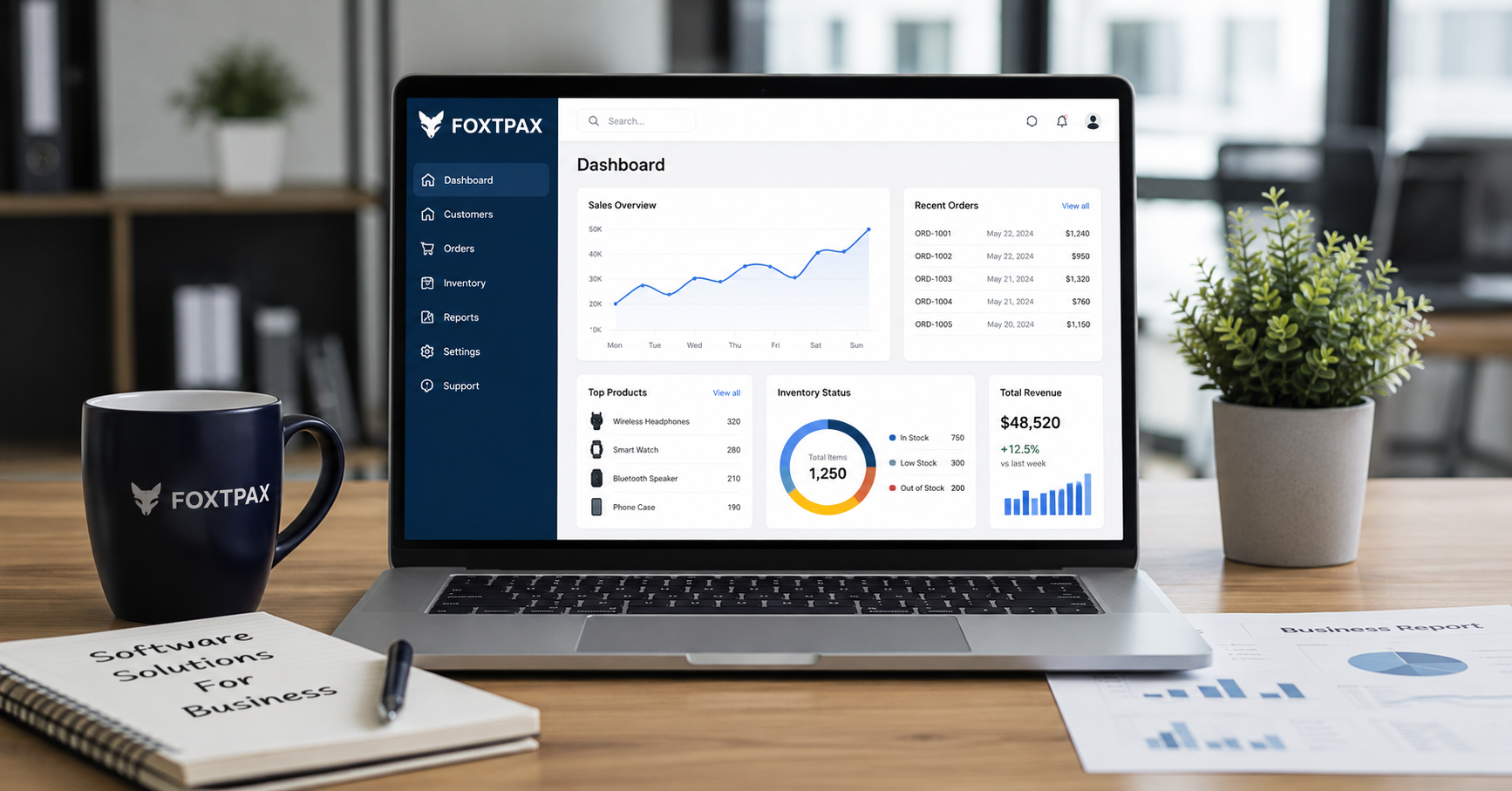
If you are searching for information about foxtpax software, you have likely come across the name while exploring business management tools or digital workflow solutions. Although Foxtpax software is not as widely recognized as some mainstream enterprise platforms, interest in it has grown among users looking for practical software that can help organize operations, improve productivity, and simplify everyday business tasks.
Understanding the capabilities of any software before adopting it is essential. Businesses today rely heavily on digital tools to manage customer relationships, store information securely, automate repetitive work, and improve collaboration between teams. This guide provides detailed information about foxtpax software, explaining its potential features, benefits, common applications, advantages, limitations, and what users should consider before choosing a similar business solution.
What Is Foxtpax Software?
Foxtpax software appears to be a digital platform designed to assist organizations with managing operational workflows, business data, and day-to-day administrative tasks. While publicly available information remains limited compared to major commercial software products, it is generally described as a solution intended to streamline business processes through digital automation and centralized management.
Like many modern software systems, Foxtpax software aims to reduce manual work while improving efficiency across different departments. Depending on its implementation, organizations may use it for handling internal operations, customer information, reporting, scheduling, or document management.
The growing demand for digital transformation has increased interest in solutions that offer flexibility without unnecessary complexity, making software platforms like Foxtpax worth exploring.
Why Businesses Look for Information About Foxtpax Software
Companies rarely invest in new software without understanding what value it offers. Businesses researching Foxtpax typically want answers to several important questions.
They want to know whether the platform can improve productivity, reduce operational costs, simplify communication, and integrate smoothly into existing workflows. Decision-makers are also interested in software reliability, data security, ease of use, and long-term scalability.
Gathering accurate information about foxtpax software allows organizations to compare it against competing platforms before making purchasing decisions.
Key Features
Although exact features may vary depending on the version or deployment, software designed for business management commonly includes capabilities that improve efficiency and organization.
Centralized Data Management
A major advantage of modern software is having all important information stored in one location. Centralized databases reduce duplication, improve consistency, and allow authorized users to access the information they need quickly.
Instead of maintaining multiple spreadsheets or disconnected files, businesses can work with a single organized system.
Workflow Automation
Automation helps eliminate repetitive tasks that consume valuable employee time. Routine processes such as approvals, notifications, scheduling, and reporting can often be completed automatically.
This allows employees to focus on higher-value responsibilities rather than manual administrative work.
User-Friendly Dashboard
Modern business software generally includes dashboards that present important information in an easy-to-understand format. Users can monitor performance indicators, upcoming tasks, recent activity, and project updates from one interface.
Simple navigation also reduces training requirements for new employees.
Reporting and Analytics
Business decisions depend on reliable information. Reporting features allow organizations to analyze performance, identify trends, monitor productivity, and evaluate operational efficiency.
Custom reports can help managers make informed strategic decisions based on real business data.
Benefits of Using Foxtpax Software
Organizations considering new technology often focus on measurable benefits rather than technical specifications alone.
One potential advantage is improved efficiency. Digital workflows reduce delays caused by manual paperwork, duplicated effort, and communication gaps between departments.
Another important benefit is better organization. Centralized systems help employees locate documents, customer records, and operational information much faster.
Improved collaboration is another reason businesses invest in management software. Team members can share updates, monitor project progress, and coordinate activities using one shared platform.
Cost savings may also result from automation. Businesses often spend less time on repetitive administrative tasks, allowing staff to focus on more productive work.
Finally, software systems contribute to better decision-making by providing accurate reports and organized business insights.
Industries That May Benefit
Many industries rely on digital management systems to improve efficiency and customer service.
Small businesses often need affordable solutions that simplify operations without requiring dedicated IT departments.
Retail companies benefit from organized inventory management, customer information, and sales reporting.
Professional service firms may use management software to coordinate projects, manage documents, and communicate with clients more efficiently.
Healthcare organizations frequently require secure systems that organize appointments, records, and administrative workflows.
Educational institutions also use digital platforms for scheduling, document management, communication, and operational planning.
Manufacturing businesses often benefit from software that tracks production activities, inventory, and operational performance.
Ease of Implementation
One important consideration when evaluating software is how easily employees can begin using it.
Software with intuitive navigation typically requires less training, allowing organizations to adopt new systems more quickly.
Cloud-based deployment can further simplify implementation by reducing hardware requirements and enabling remote access from different locations.
Organizations should also consider whether customer support, training materials, and documentation are available during implementation.
Successful software adoption depends not only on technology but also on user acceptance and proper onboarding.
Security Considerations
Data security remains one of the highest priorities for every organization.
Businesses should ensure that any software platform follows recognized security practices, including encrypted data transmission, secure authentication, controlled user permissions, and regular system updates.
Organizations handling sensitive customer information should also verify compliance with applicable privacy regulations before implementation.
Regular data backups, disaster recovery planning, and access monitoring further strengthen overall security.
Scalability for Growing Businesses
Businesses rarely remain the same size forever.
A software platform should be capable of supporting future growth without requiring a complete replacement after only a few years.
Scalable systems typically allow additional users, departments, features, and data storage as business requirements evolve.
This flexibility helps organizations maximize their technology investment while minimizing future disruptions.
Things to Consider Before Choosing Foxtpax Software
Before selecting any software solution, organizations should evaluate several important factors.
Business requirements should always come first. A platform should solve actual operational challenges rather than simply offering an impressive feature list.
Compatibility with existing software is another consideration. Integration with accounting systems, communication platforms, or customer management tools can significantly improve efficiency.
User experience also matters. Employees are more likely to adopt software that is simple, responsive, and easy to understand.
Customer support should never be overlooked. Reliable technical assistance helps organizations resolve problems quickly and maintain productivity.
Pricing should also align with long-term business goals. Organizations should compare licensing models, maintenance costs, upgrade options, and future scalability before making final decisions.
Potential Limitations
Every software solution has strengths and limitations.
One challenge with less widely documented platforms is the limited amount of publicly available information, independent reviews, and user experiences.
Organizations may need to request demonstrations, product documentation, or trial access before making purchasing decisions.
Another consideration involves customization. Businesses with highly specialized workflows should verify that the software can adapt to their operational needs.
Availability of ongoing updates, technical support, and future product development should also be evaluated carefully.
How to Evaluate Software Successfully
The best software selection process begins with clearly identifying organizational needs.
Decision-makers should create a list of required features, desired improvements, and expected outcomes before comparing products.
Testing software through demonstrations or trial versions allows employees to evaluate usability under real working conditions.
Gathering feedback from multiple departments ensures the chosen solution supports the needs of the entire organization rather than only one team.
Long-term planning should also include maintenance, employee training, future upgrades, and potential expansion.
The Future of Business Management Software
Business software continues evolving alongside advances in cloud computing, automation, artificial intelligence, and data analytics.
Future platforms are expected to become increasingly intelligent by automating repetitive work, generating predictive insights, improving collaboration, and enhancing user experiences.
Organizations will likely continue prioritizing solutions that combine security, flexibility, scalability, and ease of use while supporting hybrid and remote work environments.
Businesses researching information about foxtpax software should also monitor future developments, feature updates, and vendor announcements as digital technology continues advancing.
Conclusion
Finding reliable information about foxtpax software can help businesses make informed technology decisions. Although publicly available details about the platform remain relatively limited, it appears to represent the type of business management software designed to improve efficiency, streamline workflows, organize information, and support everyday operations.
Before adopting any software, organizations should carefully assess their business requirements, compare available features, evaluate security measures, review support options, and consider future scalability. Taking a thoughtful approach ensures that technology investments deliver lasting value while supporting business growth and operational success.
Frequently Asked Questions
What is Foxtpax software used for?
Foxtpax software is generally associated with business management and workflow organization, helping companies manage operational tasks, data, and internal processes more efficiently.
Is Foxtpax software suitable for small businesses?
If its features match business needs, smaller organizations may benefit from its ability to organize workflows, improve collaboration, and reduce manual administrative work.
Does Foxtpax software support business automation?
Business management platforms commonly include workflow automation capabilities that simplify repetitive tasks, notifications, approvals, and reporting, though available features depend on the specific implementation.
Is Foxtpax software secure?
Organizations should evaluate the software’s security features, including encryption, access controls, authentication methods, backup procedures, and compliance with relevant data protection standards before deployment.
How should businesses evaluate Foxtpax software before adopting it?
Businesses should review product documentation, request demonstrations or trial access, compare features with competitors, assess integration options, evaluate customer support, and ensure the platform aligns with their operational requirements and long-term growth plans