






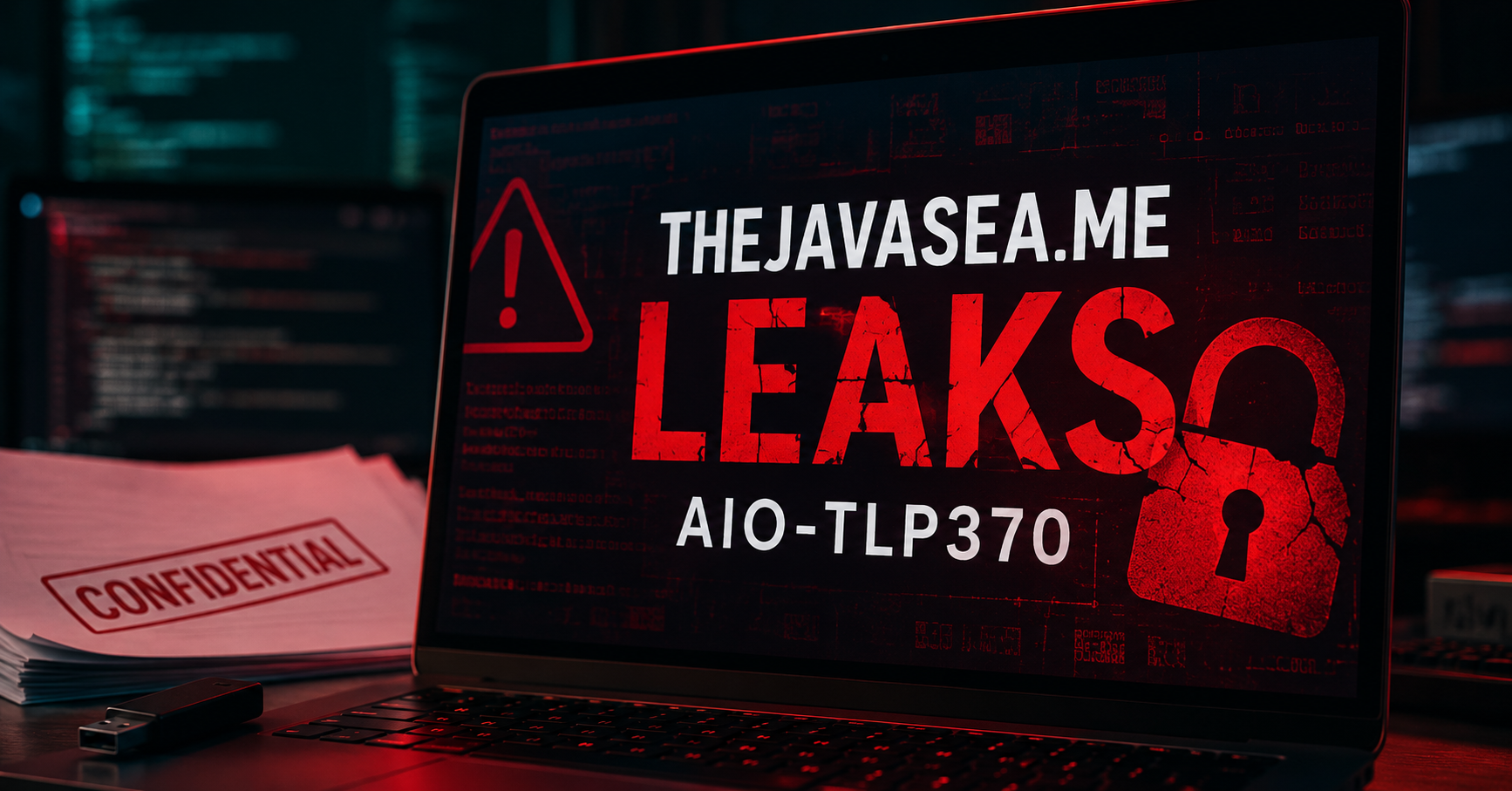
The thejavasea.me leaks aio-tlp370 keyword has recently attracted attention across online forums, technology communities, and cybersecurity discussions. Many internet users are searching for reliable information to understand what this term refers to, why it is being discussed, and whether it poses any security or privacy concerns. Unfortunately, much of the available content is based on rumors or incomplete information rather than verified facts.
When discussing topics involving alleged data leaks, it is important to separate confirmed information from speculation. The phrase thejavasea.me leaks aio-tlp370 appears to be associated with online discussions about leaked digital content, but there is no publicly verified evidence explaining exactly what “AIO-TLP370” represents or confirming the authenticity of any claimed files. This article explores the topic responsibly, explains the surrounding context, and provides practical guidance for anyone encountering similar claims online.
Understanding the Term
The phrase thejavasea.me leaks aio-tlp370 combines the name of a website frequently mentioned in discussions about leaked files with an identifier that appears to represent a specific package, archive, or collection. However, no trusted cybersecurity organization or official source has publicly documented AIO-TLP370 as a recognized software package, security project, or verified data release.
Because of this lack of confirmation, readers should approach any claims surrounding the keyword carefully. Online discussions often spread quickly before information has been independently verified, making it easy for misinformation to circulate.
Instead of assuming every claim is accurate, cybersecurity professionals recommend relying on verified reports from established security researchers, reputable technology publications, and official organizations whenever possible.
Why the Topic Became Popular
Search interest surrounding thejavasea.me leaks aio-tlp370 has increased because internet users are naturally curious whenever reports of leaked files or exclusive digital collections begin circulating online. Social media posts, discussion boards, and messaging platforms often amplify these topics, creating significant search demand.
In many situations, curiosity spreads much faster than verified information. People search for explanations, while content creators publish articles attempting to answer those questions. As a result, the keyword itself becomes popular even if the underlying information remains limited.
This pattern has become increasingly common whenever alleged leaks involve software, databases, gaming content, private documents, or digital assets.
The Importance of Verifying Leak Claims
One of the biggest challenges with alleged online leaks is determining whether the information is genuine. Cybersecurity experts typically verify several factors before treating any leak as authentic.
They examine whether reputable researchers have confirmed the material, whether affected organizations acknowledge the incident, whether technical evidence supports the claims, and whether independent analysts reach similar conclusions.
Without these forms of verification, any leak should be treated as unconfirmed.
The same cautious approach applies to discussions surrounding thejavasea.me leaks aio-tlp370, where publicly available information remains limited and largely unsupported by official sources.
Potential Risks of Accessing Unknown Leak Websites
Many websites that advertise leaked content present significant cybersecurity risks regardless of whether the advertised files actually exist.
Visitors may encounter malicious advertisements, phishing attempts, fake download buttons, browser exploits, or malware disguised as legitimate files. Some sites also encourage users to disable security protections before downloading content, increasing the likelihood of infection.
Even when files appear harmless, they may contain hidden malware capable of stealing passwords, browser cookies, financial information, or personal documents.
Cybersecurity professionals consistently advise users to avoid downloading unknown archives from untrusted sources.
Privacy and Legal Considerations
Accessing or distributing leaked information can create serious privacy and legal concerns depending on the nature of the content and local laws.
If leaked files contain personal information, confidential business documents, copyrighted material, or proprietary software, downloading or sharing them may violate privacy regulations or intellectual property laws.
Responsible internet users should avoid participating in activities that could expose private information or contribute to unauthorized distribution of sensitive data.
Respecting privacy protects both individuals and organizations while promoting a safer digital environment.
How Cybersecurity Professionals Respond to Alleged Leaks
Whenever reports of a possible data leak emerge, cybersecurity teams follow a structured investigation process instead of relying on online speculation.
They identify the reported source, analyze available evidence, compare information with known incidents, monitor threat intelligence feeds, and communicate with affected organizations whenever possible.
Only after sufficient evidence has been collected do professionals determine whether a leak is authentic, partially authentic, fabricated, or misleading.
This careful methodology helps reduce panic and prevents false information from spreading unnecessarily.
Common Reasons Leak Discussions Go Viral
Online leak discussions often become popular for reasons unrelated to the actual content itself.
Curiosity attracts attention because people naturally want access to exclusive information. Search engines detect increasing interest, leading more users to discover the topic. Social media algorithms amplify trending discussions, while content creators publish explanations and opinions to satisfy growing demand.
Sometimes a keyword trends primarily because everyone is asking the same question rather than because verified information has become available.
This appears to be one possible explanation behind the growing searches for thejavasea.me leaks aio-tlp370.
How to Protect Yourself Online
Maintaining good cybersecurity habits remains the most effective defense against threats associated with alleged leak websites.
Keep operating systems updated, install trusted antivirus software, enable multi-factor authentication whenever available, use strong unique passwords, and avoid downloading files from unknown sources.
It is equally important to verify news through established technology publications rather than relying solely on anonymous forum posts or screenshots shared online.
Developing these habits significantly reduces exposure to scams, malware, and identity theft.
Why Accurate Reporting Matters
Responsible reporting plays an important role whenever alleged leaks become public discussion topics.
Publishing unverified claims can damage reputations, spread misinformation, and encourage unsafe online behavior. On the other hand, balanced reporting explains what is known, identifies what remains uncertain, and clearly distinguishes facts from speculation.
Readers deserve accurate information supported by evidence rather than sensational headlines designed only to attract attention.
A careful approach ultimately benefits everyone, including researchers, organizations, journalists, and everyday internet users.
Current Understanding of the Topic
Based on publicly available information, there is currently no widely verified evidence explaining exactly what thejavasea.me leaks aio-tlp370 specifically contains or confirming that the alleged material is authentic.
Search interest continues because many users are looking for answers, yet authoritative technical documentation remains limited.
As additional verified information becomes available from reputable cybersecurity researchers or official statements, understanding of the topic may improve. Until then, caution remains the most responsible approach.
Conclusion
The growing attention surrounding thejavasea.me leaks aio-tlp370 demonstrates how quickly internet discussions can generate widespread curiosity. While many users are searching for definitive answers, publicly verified information remains limited, making it essential to distinguish confirmed facts from online speculation.
Rather than chasing unverified downloads or relying on anonymous posts, users should prioritize cybersecurity, respect privacy, and depend on trusted sources when evaluating reports of alleged leaks. Remaining informed, cautious, and security-conscious is the best strategy whenever unfamiliar leak-related keywords begin trending online.
FAQ
What is thejavasea.me leaks aio-tlp370?
The phrase appears in online discussions related to alleged leaked digital content. However, there is no widely verified public information confirming exactly what AIO-TLP370 represents.
Is the information publicly verified?
At the time of writing, there is no broadly confirmed evidence from reputable cybersecurity organizations verifying the authenticity or contents associated with this keyword.
Is it safe to download files from unknown leak websites?
No. Downloading files from untrusted sources may expose your device to malware, phishing attacks, ransomware, or other cybersecurity threats.
Why is this keyword trending?
The keyword has gained attention because internet users are searching for information about alleged leaked content. Increased online discussion often leads to higher search interest even before claims are verified.
What should users do if they encounter alleged leaked files?
Users should avoid downloading unknown files, verify information through reputable sources, maintain updated security software, and protect their personal information while browsing online.
Can alleged leak websites affect personal privacy?
Yes. Some websites may attempt to collect personal information, distribute malicious software, or expose users to fraudulent activities. Exercising caution is always recommended when visiting unfamiliar websites.